
Importance of STEM Education: Building Skills for the Future
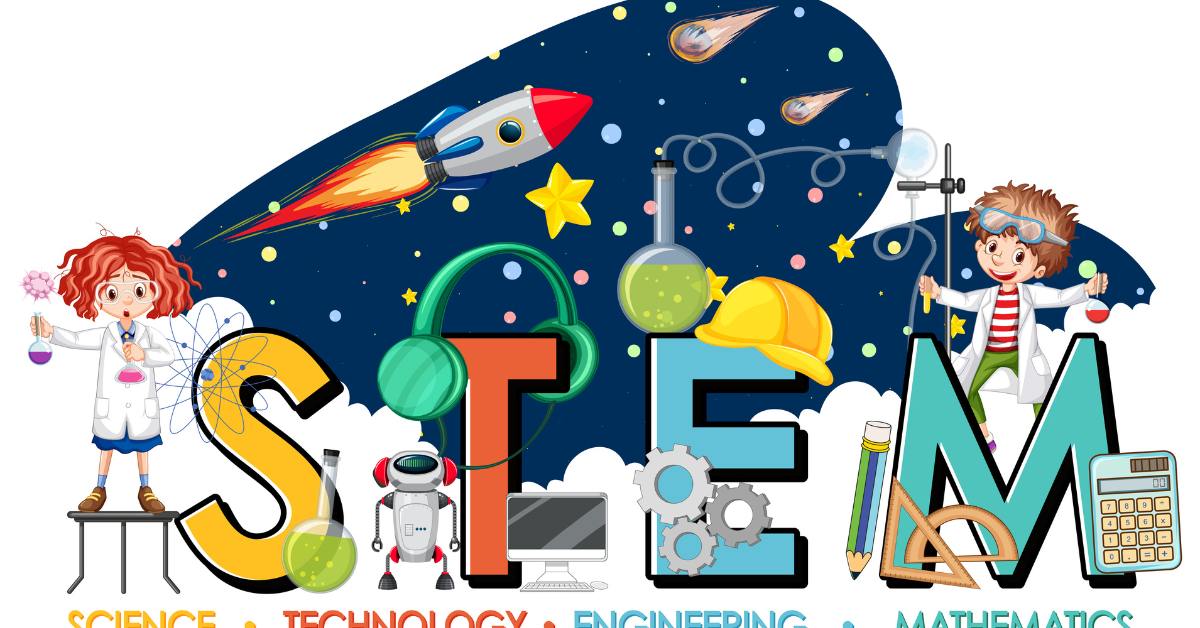
STEM education — which stands for Science, Technology, Engineering, and Mathematics — has become a cornerstone of modern learning. In today’s fast-changing world, where innovation drives progress, STEM plays a vital role in preparing students with the knowledge and skills they need to succeed. Beyond academics, it nurtures creativity, problem-solving, and critical thinking, making it essential for the workforce of tomorrow.
1. Bridging Education and Real-World Applications
STEM education emphasizes hands-on learning. Students don’t just study theories; they apply them through experiments, projects, and problem-solving exercises. This prepares them to tackle real-world challenges with practical solutions.
2. Encouraging Innovation and Creativity
From robotics to coding, STEM learning inspires curiosity and innovation. It allows students to explore, experiment, and think outside the box, which is crucial for technological advancement and entrepreneurship.
3. Building Critical Skills for the Future
STEM education develops a wide range of essential skills:
- Analytical Thinking – evaluating data and making informed decisions
- Collaboration – working in teams to solve complex problems
- Adaptability – embracing new tools, technologies, and methods
These skills are valuable across industries, not just in STEM careers.
4. High Career Demand and Opportunities
STEM fields are among the fastest-growing industries worldwide. Careers in data science, artificial intelligence, engineering, healthcare, and IT are in high demand. Students trained in STEM are better positioned to secure high-paying and rewarding jobs.
5. Empowering Global Competitiveness
Nations that prioritize STEM education gain a competitive edge in the global economy. By fostering innovation and research, STEM helps societies tackle pressing challenges like climate change, healthcare, and sustainable development.
6. Promoting Gender Equality in Education
STEM initiatives also focus on encouraging girls and underrepresented groups to pursue these fields. This not only creates diversity but also ensures balanced perspectives in solving global problems.
Conclusion
The importance of STEM education lies in its ability to equip learners with the knowledge, creativity, and resilience to thrive in the 21st century. It is more than a curriculum — it is a mindset that prepares students for innovation, leadership, and lifelong learning. By embracing STEM, we are investing in a smarter, more sustainable, and technologically advanced future.
Contact Us